
Stone · Care Guide
Sintered Stone
Mineral powder fired into a single dense slab

Maintained As
Engineered & Sintered Stone
Dense and cool, in matte, honed or polished finishes. Matte shows fingerprints least.
Durability
Everyday resilience
Excellent. Highly resistant to scratching and staining. The one real weakness belongs to the stone-look composite: heat, because a polymer resin binder holds it together.
In the Collection
1 piece
Every piece we carry in sintered stone, cared for the same way.
About This Material
Sintered stone is made by compacting natural mineral powders under extreme pressure and firing them at around 1200°C — essentially compressing in hours the process that forms stone over millennia. The result contains no resin binder at all, which is why it tolerates heat and UV that would mark a stone-look composite.
How To Spot It
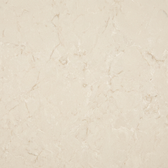
Very thin slabs relative to their strength, with consistent pattern and an extremely dense, low-porosity surface.
Consistent colour and pattern across a slab, with none of the geological variation of quarried stone. Sintered stone is fired at very high temperature and is the most resilient surface in the catalogue.
Specific To Sintered Stone
The most maintenance-free surface in the entire catalogue. No sealing, high heat tolerance, UV-stable and genuinely suitable outdoors. The only real caution is chipping at unsupported edges.
At A Glance
How it holds up
Each bar shows how well sintered stone resists that stress — five means it shrugs it off, one means it is the first thing to damage the surface.
Typically Used For
What It Does Well
- The most resilient surface in the catalogue
- No sealing, ever
- Genuinely UV-stable and outdoor-safe
What To Accept
- Edges chip if struck
- Thin slabs need continuous support
- Repairs are specialist work
Daily Care
The everyday routine
- Wipe with a damp cloth and a drop of washing-up liquid.
- Dry with a soft cloth to prevent water spotting.
- A coaster or mat under anything hot — essential on a stone-look composite, prudent on sintered stone.
- Wipe spills promptly, though you have far more grace here than on marble or travertine.
Deep Cleaning
Step by step
- 01 Clean with warm water and a mild non-abrasive detergent.
- 02 For stubborn marks, leave a paste of baking soda and water on the spot for a few minutes, then wipe away with a soft cloth.
- 03 Rinse thoroughly to remove all residue.
- 04 Dry and buff with a microfibre cloth.
- 05 No sealing, ever. Neither surface is porous, so there is nothing for a sealer to do.
Safe To Use
- Mild washing-up liquid and warm water
- pH-neutral stone cleaner
- Baking soda paste for spot treatment
- Isopropyl alcohol for stubborn marks on sintered stone
- Non-scratch sponges
Never Use
- Bleach, which breaks down the resin binder in a stone-look composite
- Any strongly alkaline household cleaner
- Abrasive powders and scouring pads on polished finishes
- Paint stripper and solvents such as methylene chloride
- Prolonged exposure to any high-pH cleaner
Stain Removal
Lift it without making it worse
Blot rather than rub, and test any treatment somewhere out of sight first.
Warm soapy water is almost always enough. These surfaces do not absorb.
Degreasing washing-up liquid in warm water, then rinse and dry.
Isopropyl alcohol on a soft cloth, then rinse with water.
Soften with a warm damp cloth, then lift with a plastic scraper. Never use a metal blade.
A 50:50 warm water and white vinegar solution is acceptable here — unlike marble or travertine, these surfaces are not acid-sensitive. Rinse thoroughly afterwards.
Permanent. The resin binder has scorched and no cleaning will reverse it. This is why a mat under a hot mug matters.
Marks left by a lamp base or a tray dragged across the top are metal deposited on the stone, not damage to it. A baking soda paste lifts them.
Prevent Damage
What actually causes the harm
- Heat
- The critical one for a stone-look composite — the binder scorches and discolours above roughly 150°C. Sintered stone tolerates heat far better, but a mat under anything hot remains sensible.
- UV
- Some stone-look composites yellow under sustained direct sun. Sintered stone is UV-stable.
- Impact
- Hard but brittle. Corners and unsupported overhangs chip if struck.
- Harsh chemicals
- Keep paint stripper, acetone and any strongly alkaline household cleaner away from the surface entirely.
- Scratches
- Highly scratch-resistant but not scratch-proof. Lift objects rather than dragging them across the top.
- Outdoor exposure
- Sintered stone is genuinely suitable outdoors. A stone-look composite is not — it will fade and yellow.
Never Do This
Damage that cleaning cannot undo
Each of these changes the surface permanently.
Setting anything hot straight onto a stone-look composite
The resin binder scorches, leaving a permanent white or yellow mark that cannot be polished out.
Bleach
It breaks down the resin binder and dulls the surface irreversibly.
Strongly alkaline cleaners
They etch an engineered surface.
Abrasive pads on a polished finish
They leave a permanent dull patch.
Standing or sitting on the top
These slabs are thin relative to their strength. They fail at the unsupported span rather than bending first.
Repair
Putting it right
Colour-matched stone epoxy. Best done professionally where the chip is visible.
Usually permanent on a stone-look composite. A professional may improve it on sintered stone.
Fine scratches on a matte finish can sometimes be blended with a fine abrasive pad. Polished finishes need professional attention.
Structural — have it professionally assessed rather than filled.
Maintenance Schedule
A rhythm worth keeping
- daily
- Wipe down with a damp cloth.
- weekly
- Clean with mild detergent and dry to prevent water spotting.
- monthly
- Check edges and corners for chips, and the feet for trapped grit.
- quarterly
- Deep clean, and check the top still sits square and fully supported on its base.
- annually
- Nothing. Neither surface needs sealing or refinishing.
Where To Put It
Indoor placement
The most forgiving hard surface we sell. The only real cautions are heat on a resin-bound composite and support at the edges.
Site It Like This
- Support the full span — these slabs are thin relative to their strength and unsupported overhangs chip.
- Site sintered stone anywhere, indoors or out; it is genuinely UV-stable.
- Keep a mat to hand if the top is a resin-bound composite rather than sintered stone.
- Put a felt pad under a heavy lamp base so it cannot mark the slab.
- Protect corners during moves — that is where damage happens.
Not Here
- A resin-bound composite in sustained direct sun, where it can yellow over time.
- Setting anything hot straight onto a resin-bound composite — the binder scorches permanently.
- Standing on the slab or using it as a step.
- Storing solvents or strong cleaners where they could spill on it.
Weekly Care
The five-minute routine
Clean with mild detergent and dry to prevent water spotting.
Then monthlyCheck edges and corners for chips, and the feet for trapped grit.
Common Questions
What owners ask us
No — never. Sintered stone and stone-look composite are non-porous, which is the whole point of them. Unlike marble or travertine, there is no seal to wear out.
On sintered stone, yes — it is fired at high temperature and genuinely heat-stable. On a stone-look composite, use a coaster: the binder can mark above roughly 150°C and that mark cannot be polished out.
Yes, diluted, unlike natural stone. Engineered surfaces are not acid-sensitive, so a 50:50 vinegar and water solution is fine for water marks. Rinse thoroughly afterwards.
No. Bleach breaks down the resin binder and dulls the surface irreversibly. Mild washing-up liquid handles almost everything.
Probably not — grey streaks are usually metal transferred onto the stone from a lamp base or a tray rather than damage to it. A baking soda paste lifts them.
Sintered stone, yes — it is UV-stable and genuinely weatherproof. A stone-look composite, no; it will fade and yellow in sunlight.
Lifespan & Ageing
How it will look in ten years
With Proper Care
Twenty-five years or more looking essentially unchanged. This is the most maintenance-free hard surface we sell.
With Poor Care
Still ten years or more — the usual failures are a heat scorch on a stone-look composite or a chipped corner, both of which are events rather than wear.
How It Ages
Very little visible change. These surfaces are engineered not to patina, which is exactly their appeal for anyone who wants a stone table without the vigilance marble demands.
Sintered Stone Specifically
Effectively none. Sintered stone looks the same in year twenty as on day one.
Related Materials
Cared for the same way
These share sintered stone’s maintenance regime, so the same routine applies to all of them.
Not Sure
We will check it for you
If you are unsure which material your piece is, or you have a mark you would rather not experiment on, tell us the piece and what you are unsure of; when we reply, you can attach photographs.
Ask us