
Natural Fibre · Care Guide
Rattan
A solid climbing palm, bent under steam

Maintained As
Woven Natural Fibre
Dry, slightly ridged and springy. Develops a smooth handled sheen at contact points.
Durability
Everyday resilience
Moderate. Light and strong for its weight, but brittle when dry and prone to sagging under sustained load.
In the Collection
6 pieces
Every piece we carry in rattan, cared for the same way.
About This Material
Rattan is the stem of a climbing palm — solid rather than hollow, which is what distinguishes it from bamboo and what allows it to be steamed and bent into curves without splitting. It is remarkably strong for its weight, which is why a woven shade can hold its shape on almost no frame at all.
How To Spot It
A solid stem with visible node rings along its length, warm honey in colour, often bound at the joints with binding cane.
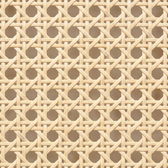
Visible weave with natural colour variation. Cane webbing is machine-woven into a sheet; rattan is a solid vine, bent and lashed.
Specific To Rattan
Rattan is hygroscopic and becomes brittle in dry air. In a centrally heated home, mist very lightly two or three times a year and let it dry naturally — this single habit prevents most cracking.
At A Glance
How it holds up
Each bar shows how well rattan resists that stress — five means it shrugs it off, one means it is the first thing to damage the surface.
Typically Used For
What It Does Well
- Very strong for its weight
- Steam-bends into flowing curves
- Ages to a beautiful honey amber
What To Accept
- Becomes brittle in dry air
- Not weatherproof despite appearances
- Cats destroy it
Daily Care
The everyday routine
- Dust with a soft brush or a vacuum brush attachment, working into the weave.
- Keep away from radiators — dry heat is what cracks these fibres.
- Blot spills immediately; the fibre absorbs quickly.
- Lift a woven shade by its frame, never by the weave, and let it cool before you handle it.
Deep Cleaning
Step by step
- 01 Vacuum thoroughly with a brush attachment, then use a dry soft brush to lift dust from the weave.
- 02 Wipe with a barely-damp cloth, working along the weave rather than against it.
- 03 For soiling, use a very dilute mild soap solution on a barely-damp cloth. Never soak.
- 04 Dry immediately and thoroughly with a towel, then let it air dry completely.
- 05 In dry climates or centrally heated homes, mist very lightly with water two or three times a year to keep the fibres supple, then let it dry naturally.
- 06 Unsealed rattan on a lamp base benefits from a light coat of furniture oil once a year.
Safe To Use
- Soft brush and vacuum brush attachment
- Barely-damp cloths
- Very dilute mild soap for soiling
- Light water misting to restore suppleness
- Furniture oil for unsealed rattan
- A hairdryer on cool, to speed drying in the weave
Never Use
- Soaking or hosing down, which swells the fibre and loosens the weave
- Harsh detergents and bleach
- Abrasive brushes, which fray the fibres
- Direct heat for drying, which cracks the weave
- Gripping a shade by the weave instead of the frame, which pushes it out of round
Stain Removal
Lift it without making it worse
Blot rather than rub, and test any treatment somewhere out of sight first.
Blot immediately and dry thoroughly, using a cool hairdryer to reach into the weave.
Blot at once, then a barely-damp cloth with very dilute soap. Dry thoroughly. Some shadowing may remain on light fibre.
Cornflour left several hours, then brushed and vacuumed away.
Brush off dry in a well-ventilated space, then wipe with a barely-damp cloth and a very dilute solution of white vinegar. Dry completely and fix the humidity problem that caused it.
The most common issue. A soft brush followed by vacuuming restores the appearance more than any cleaner.
Blot immediately, clean with very dilute soap, dry thoroughly. The fibre absorbs, so odour can persist and may need professional treatment.
Natural with age and light, particularly on pale cane. Not reversible, but even light exposure keeps it uniform.
Prevent Damage
What actually causes the harm
- Dry air
- The main cause of failure. Keep the room between 40 and 60 percent relative humidity and mist lightly in dry months.
- Heat
- Keep well away from radiators and heating vents, which desiccate and crack the fibre. In a woven shade, fit an LED bulb — running heat matters more here than with any other shade material.
- UV
- Sunlight bleaches and embrittles. Rotate the piece so any fading is even.
- Load
- A woven shade keeps its shape through its frame, not its weave. Never rest anything on top of one, and lift it by the frame.
- Moisture
- Never soak. Swelling loosens the weave, and it does not tighten back.
- Pets
- Cane and rattan are irresistible to cats and are destroyed quickly by claws.
- Outdoor exposure
- Natural rattan is not weatherproof. Only synthetic poly-rattan belongs outdoors year round.
Never Do This
Damage that cleaning cannot undo
Each of these changes the surface permanently.
Soaking or hosing
The fibres swell, the weave loosens, and it stays slack once dry.
Bleach
It embrittles plant fibre and causes it to snap at the weave points.
Direct heat for drying
It cracks the fibre. Cool air only.
Standing on cane panels
The weave stretches permanently and cannot be re-tensioned without replacing the sheet.
Letting the air get very dry
Brittle fibre snaps at the weave, and a broken cane panel means replacing the whole sheet.
Abrasive brushing
It frays the surface fibres and the piece looks fuzzy and worn.
Repair
Putting it right
Mist the weave lightly, ease it back to shape against the frame and let it dry naturally — cane shrinks slightly as it dries and often re-tensions itself.
A specialist can splice individual rattan strands. Cane webbing is usually replaced as a whole sheet.
Mist lightly, let it dry, then apply a thin coat of furniture oil to unsealed fibre.
Re-wrap with matching binding cane. A straightforward job for a specialist.
Trim frayed fibres flush with sharp scissors and oil the area.
Maintenance Schedule
A rhythm worth keeping
- daily
- Blot spills.
- weekly
- Dust with a soft brush.
- monthly
- Vacuum the weave with a brush attachment.
- quarterly
- Wipe with a barely-damp cloth and check for brittleness or sag.
- annually
- Oil unsealed rattan and mist lightly two or three times a year in dry climates.
Where To Put It
Indoor placement
Rattan and cane are hygroscopic. Humidity, not cleaning, is what keeps them alive.
Site It Like This
- Keep the room between 40 and 60 percent relative humidity.
- Mist lightly two or three times a year in a centrally heated home.
- Site away from radiators and heating vents.
- Fit an LED bulb so the shade is not dried from the inside.
- Vacuum the weave with a brush attachment rather than only wiping it.
Not Here
- Resting anything on top of a woven shade, or lifting it by the weave rather than the frame.
- Direct sun, which bleaches and embrittles the fibre.
- Soaking or hosing — swelling loosens the weave and it does not tighten back.
- Leaving natural rattan outdoors; only synthetic poly-rattan belongs there.
Weekly Care
The five-minute routine
Dust with a soft brush.
Then monthlyVacuum the weave with a brush attachment.
Common Questions
What owners ask us
Often, yes. Mist the weave lightly, ease it back against the frame and let it dry naturally — cane shrinks slightly as it dries and frequently re-tensions itself. A badly crushed shade needs replacing.
Almost always dry air. Rattan is a plant fibre that needs some humidity; in a centrally heated home it becomes brittle and snaps at the weave points. Misting lightly a few times a year prevents most of it.
More than in any other shade. A hot filament or halogen bulb dries the fibre from the inside and brings on the cracking above. Fit an LED and keep to the wattage marked on the lamp.
Not a natural rattan one. It is not weatherproof despite how often it appears on patios, and a covered porch still swings through the humidity range that cracks it. Only synthetic poly-rattan is genuinely made for outdoor use.
Vacuum with a brush attachment, then a dry soft brush. Wiping the surface only moves dust deeper into the weave.
No, that is the ageing everyone hopes for. Rattan and cane deepen from pale straw through honey to warm amber, and handled areas take on a smooth polish.
Not necessarily. A specialist can splice individual rattan strands, and cane webbing is replaced as a whole sheet — a routine job that brings an old piece back.
Lifespan & Ageing
How it will look in ten years
With Proper Care
Fifteen to twenty-five years, given the humidity it wants.
With Poor Care
Three to six years before brittle fibres crack and the weave loses its shape for good.
How It Ages
Rattan and cane deepen from pale straw to warm honey and then to amber — one of the most attractive ageing curves of any material here. Handled areas take on a smooth polish. Provided the humidity is right, these pieces genuinely improve.
Rattan Specifically
Deepens from pale straw through honey to warm amber. Handled areas take on a smooth polish. One of the most attractive ageing curves of any material here.
Related Materials
Cared for the same way
These share rattan’s maintenance regime, so the same routine applies to all of them.
Not Sure
We will check it for you
If you are unsure which material your piece is, or you have a mark you would rather not experiment on, tell us the piece and what you are unsure of; when we reply, you can attach photographs.
Ask us