
Stone · Care Guide
Marble
Metamorphic limestone, veined by geology

Maintained As
Porous Natural Stone
Cool to the touch, honed to a soft matte or polished to a reflective sheen. Honed hides etching far better than polished.
Durability
Everyday resilience
Very hard but chemically reactive. A lemon slice left for a minute leaves a dull mark that no cleaning will remove.
In the Collection
15 pieces
Every piece we carry in marble, cared for the same way.
About This Material
Marble is limestone recrystallised under heat and pressure, its veining formed by mineral impurities folded through the stone over millions of years. It is beautiful, it is soft as stone goes, and it is chemically vulnerable to acid in a way that surprises most first-time owners.
How To Spot It
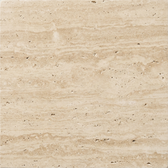
Distinct veining running through the body of the stone rather than sitting on the surface, and a cool, dense feel.
Every slab is unique. Veining, pitting and colour variation are geological features, not flaws. Travertine's natural voids may be filled or left open.
Specific To Marble
Etching from acid is not staining and cannot be cleaned away — the surface has been chemically dissolved. Honed marble hides etching far better than polished, which is why we specify it for table tops.
At A Glance
How it holds up
Each bar shows how well marble resists that stress — five means it shrugs it off, one means it is the first thing to damage the surface.
Typically Used For
What It Does Well
- Every slab is geologically unique
- Stays cool to the touch
- Can be professionally refinished
What To Accept
- Acid etches it permanently — citrus, wine, vinegar
- Absorbs stains without sealing
- Heavy and needs proper support
Daily Care
The everyday routine
- Dust with a dry soft cloth.
- Blot spills the moment they happen — acidic ones such as wine, citrus, coffee and vinegar within seconds, not minutes.
- Coasters under every drink, without exception.
- Lift objects rather than sliding them, and keep a felt pad under anything with a hard base.
Deep Cleaning
Step by step
- 01 Dust off any grit, which scratches polished stone.
- 02 Clean with warm water and a stone-specific pH-neutral cleaner on a soft cloth.
- 03 Rinse with clean water on a fresh cloth to lift all cleaner residue.
- 04 Dry completely with a soft towel — air drying leaves mineral spotting.
- 05 Test the seal: drop a little water on the surface. If it darkens the stone within a few minutes, it needs resealing.
- 06 Reseal with an impregnating stone sealer, applied thinly and buffed off per the maker's timing.
Safe To Use
- pH-neutral cleaner formulated for natural stone
- Warm water and a soft cloth
- Impregnating (penetrating) stone sealer
- Poultice powder for drawing out deep stains
Never Use
- Vinegar, lemon and any acidic cleaner — these etch on contact
- Bleach and ammonia
- Bathroom limescale removers, which are acid by design
- Abrasive creams, powders and scouring pads
- Generic all-purpose sprays, most of which are mildly acidic
Stain Removal
Lift it without making it worse
Blot rather than rub, and test any treatment somewhere out of sight first.
Blot immediately. For anything remaining, use a poultice of baking soda and water: spread a centimetre thick, cover with cling film, tape the edges, leave 24 to 48 hours, then scrape off gently and rinse.
A poultice is the only effective route — oil sits in the pores. Use baking soda with a little acetone rather than water, cover, and leave 24 hours. Reseal afterwards.
This is not a stain. The acid has dissolved the surface and left a dull mark. Light etching on polished marble can be buffed with a marble polishing powder; anything deeper needs professional honing.
Poultice with baking soda and a little hydrogen peroxide on light stone, or acetone on dark stone. Always test somewhere hidden — peroxide can lighten dark stone.
Usually mineral deposit rather than a stain. Buff gently with a dry cloth; if it persists, use a stone-safe polishing powder.
Blot immediately and clean with neutral stone cleaner. Urine is acidic and will etch — speed is everything.
Rust is chemically bonded to the stone and will not poultice out. This needs a professional rust remover formulated for stone.
Prevent Damage
What actually causes the harm
- Acid
- The defining risk. Keep citrus, wine, vinegar and cleaning products with any acid off the stone entirely.
- Moisture
- Blot rather than wipe, so you are not spreading a spill into a wider area of open pore.
- Heat
- A coaster or mat under anything hot. Thermal shock can crack a slab, and a hot mug will mark a sealed surface.
- Scratches
- Felt pads under ceramics and metal objects. Never drag anything across the surface.
- UV
- Minimal risk to the stone itself, though some resin fillers in travertine yellow slightly in strong sun.
- Sealing
- Reseal on a schedule rather than waiting for a stain. Unsealed porous stone absorbs almost anything.
- Outdoor exposure
- Freeze-thaw cycles crack porous stone. Bring indoors before winter unless the piece is specified for outdoor use.
Never Do This
Damage that cleaning cannot undo
Each of these changes the surface permanently.
Vinegar
Acid dissolves calcium carbonate on contact. It leaves a permanent dull etch that cleaning cannot reverse.
Lemon or any citrus cleaner
Same reaction as vinegar, and just as permanent.
Bleach
Discolours the stone and degrades the sealer, leaving the surface far more absorbent than before.
Abrasive powders and scouring pads
They scratch honed stone and destroy a polished finish.
Leaving the stone unsealed
An unsealed porous slab will take a permanent stain from a single glass of red wine.
Generic bathroom cleaners
Almost all are acidic limescale removers, which is precisely the chemistry that ruins this stone.
Repair
Putting it right
Marble polishing powder worked with a damp cloth will restore a polished surface. Honed stone is more forgiving and often needs nothing.
Professional honing and re-polishing of the whole surface, so the sheen stays even.
A colour-matched stone epoxy, sanded flush once cured. Best done professionally on a visible edge.
Repeat poultice applications — two or three cycles are normal for an old oil stain. Reseal afterwards.
Structural. Have it assessed professionally; a crack across a span will propagate under load.
Maintenance Schedule
A rhythm worth keeping
- daily
- Blot spills instantly. Coasters under everything.
- weekly
- Clean with pH-neutral stone cleaner and dry fully.
- monthly
- Run the water-drop test to check the seal.
- quarterly
- Inspect edges and corners for chips.
- annually
- Reseal. A coffee table that sees daily drinks may need it twice a year.
Where To Put It
Indoor placement
Porous stone is heavy, cold and chemically reactive. Site it for support and keep acids away from it.
Site It Like This
- Check the floor can take the weight — a stone top plus its base is often over 60kg.
- Keep citrus, wine and vinegar off it; a coffee table sees more of all three than people expect.
- Position it where coasters will actually get used, not where drinks get put down absent-mindedly.
- Put a felt pad under a stone lamp base so it cannot scratch the surface it stands on.
- Reseal on schedule rather than waiting for the first stain.
Not Here
- Outdoor terraces in any climate with a freeze-thaw cycle — water in the pores cracks the stone.
- Setting anything hot straight down on it without a mat.
- A bathroom where limescale removers are in regular use.
- Under a hanging plant that gets watered in place.
Weekly Care
The five-minute routine
Clean with pH-neutral stone cleaner and dry fully.
Then monthlyRun the water-drop test to check the seal.
Common Questions
What owners ask us
Marble, travertine and limestone are calcium carbonate, and acid dissolves them on contact. Vinegar does not stain the surface — it removes a microscopic layer of it, leaving a dull etch that no amount of cleaning will bring back. Lemon, wine and many household cleaners do the same.
Light etching on polished stone can often be improved with a marble polishing powder. Anything deeper needs professional honing. Honed stone hides etching far better, which is why we specify it for table tops.
Drop a little water on the surface and wait a few minutes. If the stone darkens under it, the seal has worn and it is absorbing. If the water sits on top, you are fine.
Usually not, if you act. A poultice of baking soda and water, spread a centimetre thick, covered and left for a day or two, draws most of it back out. Two or three cycles is normal for an older stain.
No — they are fossilised gas bubbles from the stone's formation in a mineral spring, and they are the reason travertine looks like travertine. They may be filled with resin or left open depending on the piece.
Far less often. A base takes no drinks and no heat, so the seal lasts for years. What it does need is a felt pad underneath — a heavy stone base dragged across a timber table top will scratch both.
Honestly, no, and you should know that before buying. Natural stone accumulates a soft patina of fine etching with use. Many owners come to prefer it. If you want a surface that stays exactly as delivered, sintered stone is the right choice instead.
Lifespan & Ageing
How it will look in ten years
With Proper Care
A lifetime. Natural stone outlasts the base it sits on and can be professionally refinished.
With Poor Care
Two to five years before accumulated etching and staining make the surface look tired and blotchy.
How It Ages
Marble and travertine develop a soft patina of fine etching that many owners come to prefer — it is why we specify honed finishes rather than polished ones. If you want a surface that stays pristine, this is the wrong material and sintered stone is the right one.
Marble Specifically
Develops a soft patina of fine etching that many owners come to prefer. Anyone who wants marble to stay pristine should specify honed and be vigilant about citrus and wine.
Related Materials
Cared for the same way
These share marble’s maintenance regime, so the same routine applies to all of them.
Not Sure
We will check it for you
If you are unsure which material your piece is, or you have a mark you would rather not experiment on, tell us the piece and what you are unsure of; when we reply, you can attach photographs.
Ask us