
Natural Fibre · Care Guide
Jute
Coarse bast fibre, honest and inexpensive

Maintained As
Dry-Care Natural Fibre
Dry and slightly coarse (jute) or smooth and papery (raffia). Sheds a little fibre in the first months.
Durability
Everyday resilience
Moderate. Strong in tension, but absorbent: water marks it and weakens it, and loose strands can catch and fray.
In the Collection
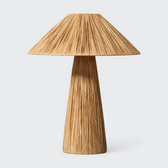
1 piece
Every piece we carry in jute, cared for the same way.
About This Material
Jute is spun from the stalk fibre of the jute plant, producing a coarse golden yarn that is strong in tension and pleasingly rough in texture. It is among the most sustainable fibres available, growing rapidly with minimal input.
How To Spot It
A coarse, hairy golden-brown fibre with a distinctive earthy smell and visible twist in the yarn.
Matte, soft fibre wound in parallel runs or loosely woven, with natural colour variation from strand to strand.
Specific To Jute
Jute is highly absorbent and stains readily, and it weakens significantly when wet. Never wet-clean it — blot spills and treat dry wherever possible.
At A Glance
How it holds up
Each bar shows how well jute resists that stress — five means it shrugs it off, one means it is the first thing to damage the surface.
Typically Used For
What It Does Well
- Among the most sustainable fibres
- Strong in tension
- Pleasingly coarse
What To Accept
- Stains readily and cannot be wet-cleaned
- Weakens when wet
- Sheds in early months
Daily Care
The everyday routine
- Dust with a soft brush or a vacuum brush attachment on low suction, working along the fibre.
- Blot any spill at once with a dry cloth; never rub it in.
- Keep away from radiators and direct sun, which dry and fade the fibre.
- Lift a shade by its frame, never by the fibre, and let it cool before you handle it.
Deep Cleaning
Step by step
- 01 Vacuum on low suction with a brush attachment, working along the wound or woven fibre.
- 02 Lift the remaining dust with a dry soft brush or a lint roller.
- 03 Treat marks dry: a dry cleaning sponge, or a pinch of cornflour on grease, brushed away after a few hours.
- 04 Do not wipe with water or soap. If a spill reaches the fibre, blot it and let it dry naturally, away from heat.
Safe To Use
- Soft brush and vacuum brush attachment on low
- Dry cleaning sponge
- Lint roller
- Cornflour for grease
- A hairdryer on cool, held well back, to dry a blotted spill
Never Use
- Water, damp cloths and steam, which mark and weaken the fibre
- Soap, detergents and upholstery shampoo
- Bleach and solvents
- Stiff or abrasive brushes, which fray the fibre
- Pulling at loose strands
Stain Removal
Lift it without making it worse
Blot rather than rub, and test any treatment somewhere out of sight first.
Blot at once with a dry cloth and let it dry naturally. A tide mark may remain on pale fibre.
Blot immediately. Do not add water, which spreads the mark. Ask us before trying anything further.
Cornflour left several hours, then brushed and vacuumed away.
Brush off dry in a well-ventilated space, let the piece dry fully and move it somewhere drier. Mould that returns means the fibre needs replacing.
Low-suction vacuuming with a brush attachment, then a dry soft brush.
Natural with light and not reversible. Rotate the piece so it fades evenly.
Prevent Damage
What actually causes the harm
- Moisture
- The main cause of damage. Keep the piece away from kitchens, bathrooms and windows that gather condensation, and never clean it wet.
- Heat
- Keep away from radiators and heating vents. Fit an LED bulb so the shade is not dried and darkened from inside.
- UV
- Sunlight fades and weakens the fibre. Keep it out of direct sun, or rotate it.
- Snagging
- Loose ends catch on rings and clothing. Tuck them back in rather than pulling them.
- Pets
- Cats treat wound fibre as a scratching post. Site it out of reach.
- Outdoor exposure
- Indoor only. Damp and rain ruin natural jute and raffia.
Never Do This
Damage that cleaning cannot undo
Each of these changes the surface permanently.
Wet-cleaning
Water marks the fibre and weakens it, and the mark does not come out.
Bleach or solvents
They discolour the fibre and break it down.
Direct heat for drying
It scorches and embrittles the fibre. Cool air only.
Pulling a loose strand
It unwinds or loosens the wrap around it. Tuck it in or trim it.
Abrasive brushing
It frays the surface and leaves the piece fuzzy and worn.
Repair
Putting it right
Tuck the end back under the neighbouring wrap, or hold it with a dot of clear craft glue.
Trim frayed fibres flush with sharp scissors.
Ease it back against its frame by hand. Do not wet it.
Usually permanent. Let it dry fully, then ask us about a replacement shade.
Maintenance Schedule
A rhythm worth keeping
- daily
- Blot spills.
- weekly
- Dust with a soft brush.
- monthly
- Vacuum on low with a brush attachment.
- quarterly
- Check for loose strands and tuck them in.
- annually
- Rotate the piece so light fades it evenly.
Where To Put It
Indoor placement
Keep jute and raffia dry and out of strong light. That, not cleaning, is what keeps them looking right.
Site It Like This
- Site away from radiators, heating vents and direct sun.
- Keep away from kitchens, bathrooms and damp windows.
- Fit an LED bulb.
- Dust weekly, so it never needs more than a dry clean.
Not Here
- Wiping with water or any cleaner.
- Rooms with condensation or high humidity.
- Resting anything on the shade, or lifting it by the fibre.
- Outdoor use.
Weekly Care
The five-minute routine
Dust with a soft brush.
Then monthlyVacuum on low with a brush attachment.
Common Questions
What owners ask us
No. Jute and raffia absorb water, which leaves a mark and weakens the fibre. Clean them dry: dust, vacuum on low and blot spills.
No. Natural fibre sheds a little in the first months and then settles. Brush or vacuum it away.
Yes. Fit an LED and keep to the wattage marked on the lamp, so the fibre is not dried or darkened by heat.
Tuck it back under its neighbour rather than pulling it. A dot of clear craft glue holds it if needed.
No. Natural jute and raffia are for indoor use only.
Lifespan & Ageing
How it will look in ten years
With Proper Care
Ten to fifteen years, kept dry and out of direct sun.
With Poor Care
Two to four years if it is cleaned wet or left in damp or full sun.
How It Ages
Jute softens and lightens; raffia fades slowly from wheat towards pale straw. Both shed a little fibre at first, then settle.
Jute Specifically
Lightens and softens with use. Sheds fibres in the early months, which settles.
Related Materials
Cared for the same way
These share jute’s maintenance regime, so the same routine applies to all of them.
Not Sure
We will check it for you
If you are unsure which material your piece is, or you have a mark you would rather not experiment on, tell us the piece and what you are unsure of; when we reply, you can attach photographs.
Ask us