
Wood · Care Guide
Bamboo
A grass, engineered to behave like hardwood

Maintained As
Sealed Hardwood
Closed and satin-smooth under the hand, with the grain still faintly readable. Open-pore species like oak and ash keep a fine tooth.
Durability
Everyday resilience
Structurally the longest-lived surface in the home. Vulnerable to standing moisture, heat and point loads rather than to wear.
In the Collection
1 piece
Every piece we carry in bamboo, cared for the same way.
About This Material
Bamboo is technically a grass, cut into strips and laminated under pressure into boards. Strand-woven bamboo is harder than most oak, and the plant regenerates in three to five years rather than the decades a hardwood takes — the strongest sustainability case of any material here.
How To Spot It
Distinctive linear pattern of narrow strips with visible node markings, and an unusually uniform colour.
Continuous grain that runs through the piece rather than stopping at an edge. Colour deepens with light exposure. Seasonal movement of a millimetre or two across a wide panel is normal, not a defect.
Specific To Bamboo
Bamboo is laminated, so it behaves more like an engineered panel at the edges than like solid timber. Keep moisture away from cut edges and seams.
At A Glance
How it holds up
Each bar shows how well bamboo resists that stress — five means it shrugs it off, one means it is the first thing to damage the surface.
Typically Used For
What It Does Well
- Regenerates in three to five years
- Strand-woven is harder than oak
- Very uniform appearance
What To Accept
- Laminated, so edges behave like panels
- Little natural variation
- Adhesive lines can show
Daily Care
The everyday routine
- Dust with a dry microfibre cloth, following the grain rather than circling across it.
- Lift spills straight away with a dry cloth — water left standing for even an hour can raise the grain.
- Use coasters and felt pads under anything with a hard base.
- Set hot dishes on a trivet. Heat drives moisture through the finish and leaves a white bloom.
Deep Cleaning
Step by step
- 01 Vacuum the piece with a soft brush head to clear grit from joints and mouldings.
- 02 Wring a cloth in warm water with a drop of pH-neutral soap until it is barely damp — no drips.
- 03 Wipe one section at a time along the grain, then dry that section immediately with a second cloth.
- 04 Once fully dry, apply the finish your piece actually has: hardwax oil for oiled timber, a light paste wax for waxed timber. Buff off all excess.
- 05 Leave to cure overnight before putting anything back on the surface.
Safe To Use
- pH-neutral soap heavily diluted in warm water
- Hardwax oil or furniture oil matched to the existing finish
- Natural carnauba or beeswax paste wax
- Dry or barely-damp microfibre cloths
Never Use
- Silicone-based spray polish — it builds a film that blocks any future refinishing
- All-purpose kitchen sprays containing ammonia or degreaser
- Vinegar solutions, which dull and etch modern topcoats over time
- Steam mops or steam cleaners of any kind
- Melamine foam erasers, which sand away the sheen
Stain Removal
Lift it without making it worse
Blot rather than rub, and test any treatment somewhere out of sight first.
The mark sits in the finish, not the wood. Lay a dry cotton cloth over it and press with a warm dry iron for a few seconds at a time, checking often. If it persists, rub gently along the grain with a dab of non-gel white toothpaste on a soft cloth, then re-oil.
Dark rings mean moisture reached the timber. Surface treatment will not lift these — they need light sanding and refinishing of the panel. Book a professional for visible surfaces.
Blot immediately. Clean with a barely-damp cloth and pH-neutral soap, dry at once, then re-oil the area to even the sheen.
Cover with a little cornflour and leave for several hours to draw the oil out, brush away, then clean with barely-damp neutral soap.
Act fast and blot — never wipe. Dab with a barely-damp cloth. Ink that has reached bare timber needs sanding and refinishing; do not reach for solvent, which will strip the finish and spread the pigment.
Blot dry immediately, clean with diluted neutral soap and dry thoroughly. Uric acid darkens timber permanently if it soaks in, so speed matters more than technique here.
Harden it with an ice pack, lift the bulk with a plastic (never metal) edge, then remove the residue with a warm cloth and re-oil.
Test any treatment somewhere hidden first. On a sound finish a barely-damp cloth may lift fresh marker; anything older usually needs refinishing.
Prevent Damage
What actually causes the harm
- Heat
- A coaster or mat under anything hot, and keep the piece clear of radiators and heating vents.
- Moisture
- Coasters under every glass. Never drape a wet cloth over an edge.
- UV
- Rotate accessories and objects on a surface every few months so the timber ages evenly. Sheer blinds on south-facing windows.
- Humidity
- Keep the room between 40 and 60 percent relative humidity. Dry winter air splits panels; damp summer air swells joints.
- Scratches
- Felt pads under lamps, trays and ceramics. Lift objects rather than dragging them.
- Pets
- Keep claws trimmed and place a mat where a pet regularly jumps up or down.
- Outdoor exposure
- Interior hardwood finishes have no UV or moisture package. Do not leave these pieces on a terrace, even under cover.
Never Do This
Damage that cleaning cannot undo
Each of these changes the surface permanently.
Bleach
Strips colour from the timber itself and destroys the finish. The damage cannot be reversed by refinishing alone.
Steam cleaners
Forces moisture through the finish into the wood, lifting grain and loosening glued joints.
Ammonia and all-purpose sprays
Clouds clear topcoats permanently and darkens the tannins in oak.
Silicone polish
Leaves a film that repels any future oil or wax and makes professional refinishing far more expensive.
Soaking a cloth
Standing water raises grain within an hour and leaves black marks that only sanding will remove.
Melamine foam erasers
They are an abrasive. They will burnish a matte finish to a visible shine.
Repair
Putting it right
Work a matching hardwax oil or wax stick into the scratch along the grain with a fingertip, leave for ten minutes, then buff off the excess.
Lay a damp cloth over the dent and press briefly with a warm iron. The compressed fibres swell back. Re-oil the area once dry.
Once fully dry, smooth with 320-grit paper along the grain using almost no pressure, then re-oil.
Do not glue over a loose joint. Have it taken apart, cleaned and re-glued — a repair over old glue will fail again quickly.
Clean the whole panel, then re-oil the entire surface rather than the worn patch, so the sheen is uniform.
Maintenance Schedule
A rhythm worth keeping
- daily
- Lift spills as they happen.
- weekly
- Dry dust along the grain.
- monthly
- Check felt pads and reposition objects so the timber ages evenly.
- quarterly
- Damp clean with neutral soap, dry at once, and inspect for dry or dull patches.
- annually
- Re-oil or re-wax the whole surface. A coffee table that takes daily use — cups, books, feet — benefits from twice a year.
Where To Put It
Indoor placement
Solid timber is happiest away from the two things that move it: direct sun and dry heat.
Site It Like This
- Site it at least a metre from radiators, wood burners and heating vents.
- Keep it out of the direct path of a south or west-facing window, or fit a sheer blind.
- Leave a small gap behind pieces set against an exterior wall so air can move.
- Use felt pads on every foot, and check them when you move the piece.
Not Here
- Conservatories and sun rooms, where both light and temperature swing hard.
- Directly under a window that gets opened in the rain.
- Unheated rooms that are then heated fast — that swing is what splits panels.
- Newly plastered or newly screeded rooms until they have fully dried out.
Weekly Care
The five-minute routine
Dry dust along the grain.
Then monthlyCheck felt pads and reposition objects so the timber ages evenly.
Common Questions
What owners ask us
No. Heat drives moisture through the finish and leaves a white bloom that is genuinely difficult to remove. A coaster costs nothing; refinishing a table top does not.
Almost certainly not. A white ring sits in the finish rather than the wood, and usually lifts with a dry cloth and a warm iron applied in short bursts. A dark ring is different — that means moisture reached the timber and needs sanding and refinishing.
Once a year for most pieces, twice for a coffee table in daily use. If water stops beading and starts darkening the surface, it is asking for oil sooner.
Yes, and it is easier — a base takes no spills and no heat. Dust it along the grain, keep it out of direct sun so it ages evenly with the table, and oil it when the timber looks dry. Never let oil near the flex or the lampholder.
That is normal and specific to the species. Walnut lightens with sun exposure while most other hardwoods amber and deepen. Rotating objects on the surface keeps the change even rather than leaving pale islands.
A fine seasonal check at the end of a board is normal movement in solid timber, not a defect. A crack that runs across a panel or opens through a joint is not — send us a photograph and we will look at it.
We would rather you did not. Most contain silicone, which builds a film that repels any future oil or wax and makes professional refinishing considerably more expensive. A dry microfibre cloth does more good.
Lifespan & Ageing
How it will look in ten years
With Proper Care
Decades, and genuinely refinishable more than once — solid timber is the only surface here that can be returned to new.
With Poor Care
Five to ten years before water marking, sun bleaching and split panels become permanent.
How It Ages
Expect the colour to deepen and warm. Cherry and walnut darken and richen; oak and ash mellow towards honey. This is patina, not wear, and it is the reason to buy solid timber in the first place.
Bamboo Specifically
Carbonised bamboo ambers gently. Natural bamboo stays close to its original tone, with modest warming.
Related Materials
Cared for the same way
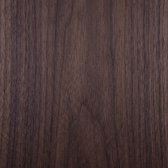
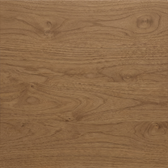
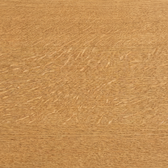
These share bamboo’s maintenance regime, so the same routine applies to all of them.
Not Sure
We will check it for you
If you are unsure which material your piece is, or you have a mark you would rather not experiment on, tell us the piece and what you are unsure of; when we reply, you can attach photographs.
Ask us